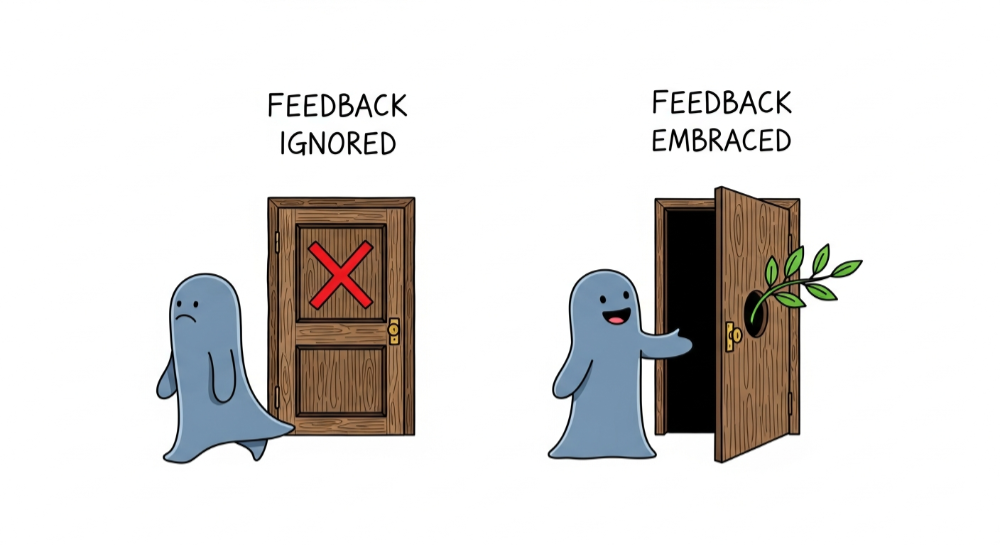
A customer just told you something isn't working.
Your instinct might be to defend, explain, or minimize. Resist that urge.
Constructive feedback is a gift. Most unhappy customers don't bother telling you — they just leave. The ones who speak up are giving you a chance to fix things and keep their business. Responding well is also part of the review response discipline that keeps your public reputation accurate and fair.
The question is: how do you respond in a way that turns criticism into connection?
Why Critical Feedback Is Valuable
They Care Enough to Tell You
Silence isn't satisfaction — it's often indifference. Customers who give feedback are invested.
They're Showing You Blind Spots
You can't fix what you don't see. Critical feedback reveals problems you may have missed.
Their Experience Reflects Others
For every customer who speaks up, many others share the same issue silently.
You Can Still Save the Relationship
Handled well, critical feedback can actually strengthen loyalty. Handled poorly, it creates enemies.
The HEAR Framework
H — Hear Them Out
Before responding, make sure you understand the issue fully. Ask clarifying questions if needed.
E — Empathize
Acknowledge their frustration. Validation before solutions.
A — Apologize (When Appropriate)
Own what you can own. Don't apologize for things outside your control, but take responsibility for your part.
R — Respond With Next Steps
Tell them what happens now. What will you do? When?
Response Templates by Situation
For Product/Feature Issues
The Issue Is Valid:
Subject: You're right — and we're fixing it
Hi [Name],
Thank you for taking the time to share this. You're absolutely right — [specific issue] isn't working as it should.
I've passed this to our team and we're prioritizing a fix. I'll follow up when there's progress.
In the meantime, [workaround if applicable].
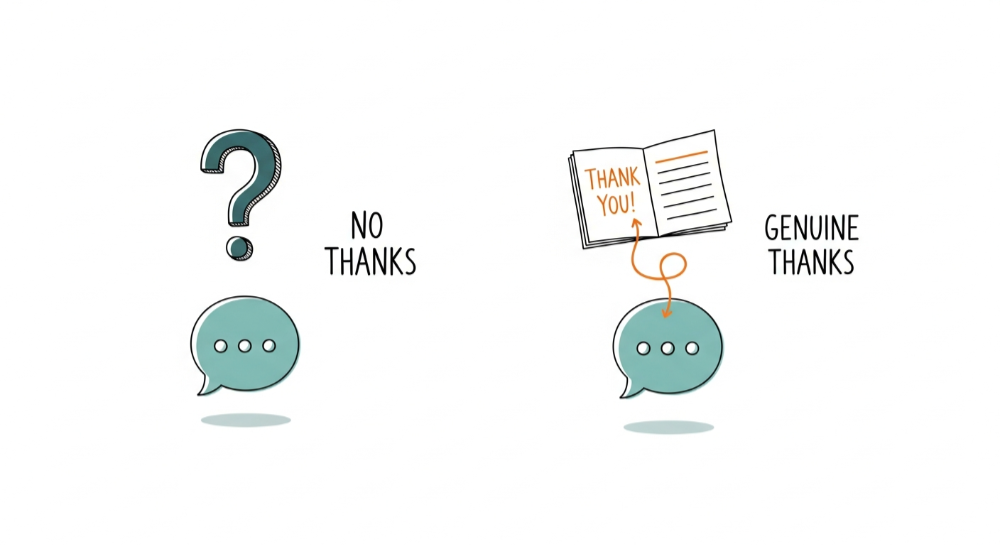
We appreciate you caring enough to let us know. Feedback like this helps us improve for everyone.
[Your name]
The Issue Is Complex:
Subject: Thank you for flagging this
Hi [Name],
I appreciate you sharing your frustration with [issue]. I can see why that would be frustrating.
This is a more complex issue than it might appear — here's what's happening: [brief explanation without being defensive].
That said, your experience matters, and I want to make sure we find a solution that works. Could we schedule a quick call to understand your specific needs better?
[Your name]
For Service/Experience Issues
When You Made a Mistake:
Subject: We dropped the ball — I'm sorry
Hi [Name],
You're right, and I'm sorry. [Specific issue] shouldn't have happened.
Here's what we're doing to fix it:
- [Immediate action]
- [Longer-term fix]
I'd also like to offer [compensation/gesture] as a small acknowledgment that we could have done better.
Is there anything else I can do to make this right?
[Your name]
When It's a Misunderstanding:
Subject: Thank you for reaching out
Hi [Name],
Thank you for sharing your feedback about [issue]. I can understand why that experience was frustrating.
I looked into this, and here's what I found: [explanation without being defensive]
That said, the fact that this was confusing suggests we need to communicate better. I'm taking this as a learning opportunity.
Is there anything else I can clarify or help with?
[Your name]
For Pricing/Value Concerns
When They Feel It's Too Expensive:
Subject: Thank you for your honest feedback
Hi [Name],
I appreciate you sharing this — pricing feedback is important for us to hear.
I understand [our pricing / this feature limitation] might not fit every budget or need. If it helps, here are some options that might work better:
- [Alternative plan/pricing]
- [Ways to maximize value]
- [Trial extension if applicable]
If none of these work, I understand. We want you to feel like you're getting value.
Let me know how I can help.
[Your name]
For Feature Requests Disguised as Complaints
When They Want Something You Don't Have:
Subject: Great suggestion — thank you
Hi [Name],
Thank you for this feedback. You're right that [feature/capability] would be really useful.
This has come up before, and I've added your vote to our feature backlog. I can't promise a timeline, but I can promise we're listening.
In the meantime, here's a workaround that might help: [alternative approach]
I'll keep you posted if this moves forward.
[Your name]
Handling Different Emotions
Frustrated but Reasonable
Match their energy with calm professionalism. Acknowledge the frustration, don't match it.
"I can hear how frustrating this is, and you're right to feel that way."
Angry
Don't escalate. Stay calm, stay helpful.
"I understand you're upset, and I want to help fix this."
Disappointed
Empathize with the gap between expectation and reality.
"I'm sorry we didn't meet your expectations. Let's see what we can do."
Confused
Provide clarity without condescension.
"I can see how that would be confusing. Let me explain how this works..."
What NOT to Do
Don't Get Defensive
❌ "Actually, the reason we do it this way is..."
✅ "You're right that this isn't ideal. Here's what we're doing about it."
Don't Minimize
❌ "It's just a small issue..."
✅ "I understand this affected your experience."
Don't Blame the Customer
❌ "If you had read the documentation..."
✅ "We should make this clearer. Thanks for pointing it out."
Don't Make Promises You Can't Keep
❌ "We'll definitely fix this by next week."
✅ "I've flagged this with our team and will update you when I know more."
Don't Ignore It
The worst response to criticism is no response at all.
Closing the Loop
Responding once isn't enough. Follow up when:
The Issue Is Fixed
"Hi [Name], remember the issue you reported? It's fixed. [Details.] Thank you again for flagging it."
You've Made Progress
"Hi [Name], quick update on [issue]. We're still working on it, but here's where we are: [progress]. I'll keep you posted."
Time Has Passed
"Hi [Name], it's been a few weeks since you shared feedback about [issue]. I wanted to check in — is everything working better now?"
Turning Critics Into Advocates
Customers who complain and get great responses often become your biggest fans.
The Recovery Paradox
Research shows that customers who have a problem resolved well are often more loyal than those who never had a problem at all.
How to Get There
- Acknowledge quickly
- Take ownership
- Fix the problem
- Follow up
- Thank them for helping you improve
The Advocate Ask (Later)
After everything is resolved and they're happy again:
"I know we had a rocky start, but I'm glad we could make things right. If you ever feel like sharing your experience — the whole journey — we'd appreciate it. But no pressure. Just grateful to have you as a customer."
For Teams: Handling Critical Feedback at Scale
Triage by Severity
- Critical: Product is broken, customer can't use it → Immediate response
- Important: Feature issue, degraded experience → Same-day response
- Normal: Minor complaints, suggestions → 24-48 hour response
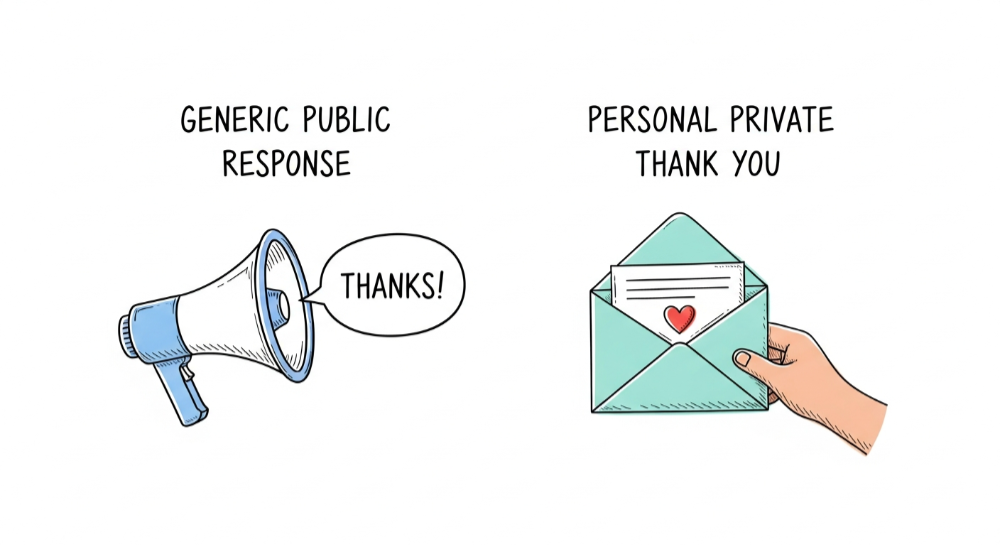
Use Templates but Personalize
Every response should reference specifics from their feedback.
Track Patterns
If the same feedback comes up repeatedly, it's a product/process issue, not just customer issues.
Share Internally
Critical feedback should reach the people who can act on it — product, engineering, leadership.
Generate Your Response
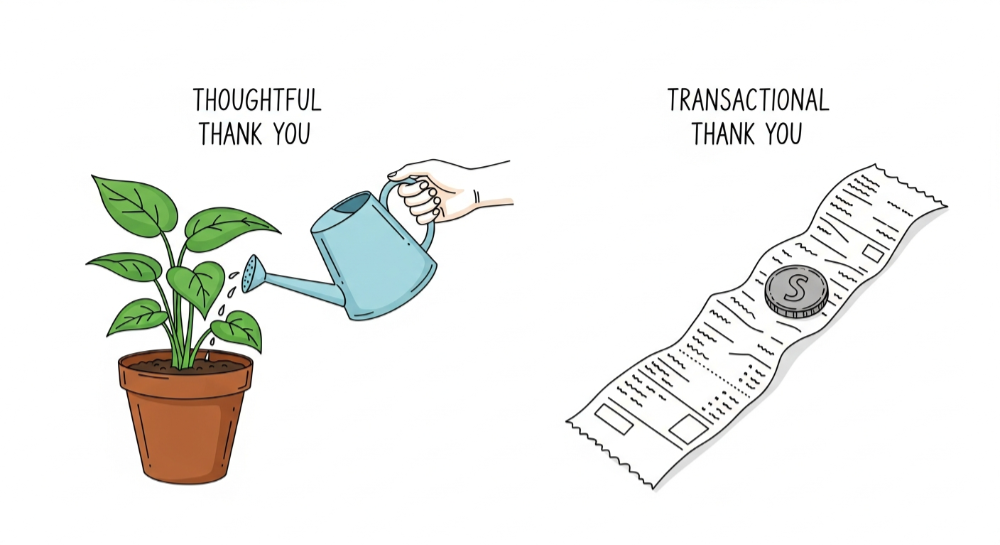
Use our free Thank You for Feedback Templates tool to generate thoughtful responses to constructive feedback and criticism.
Start collecting Testimonials with Say About Us on the free plan — no credit card required.
 Ask ChatGPT
 Ask Claude
 Ask Perplexity
 Ask Grok